Faculty Development, Gamification, Instructional Design

Gamification or Game-based Learning?

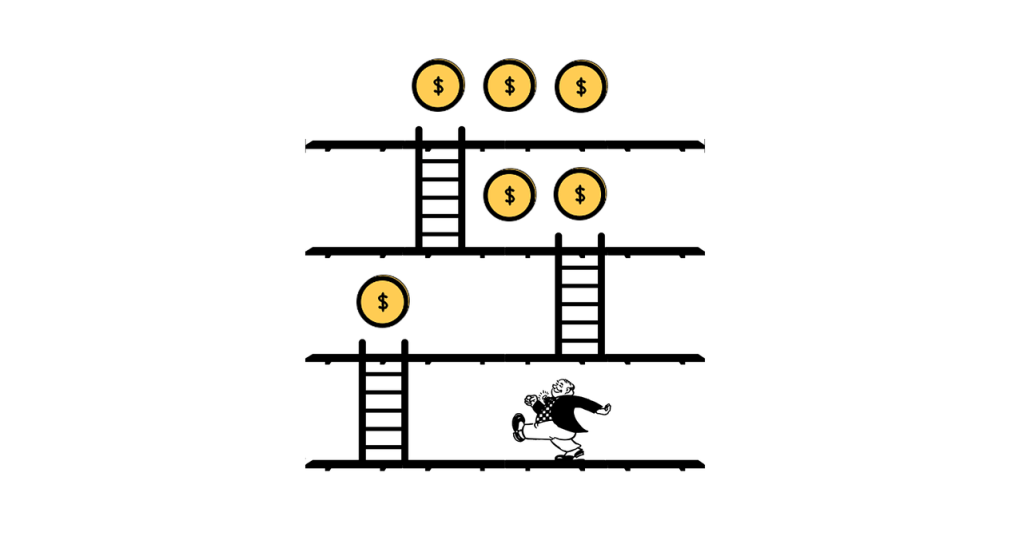
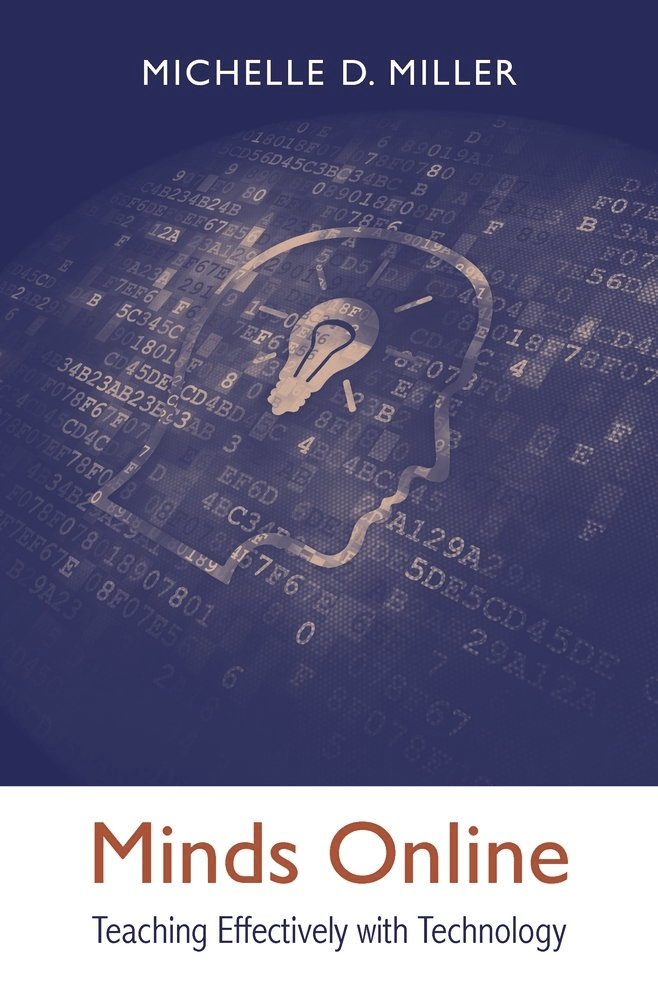
Gamification or game-based learning – what’s the difference? Gamification is where we add elements of games into our teaching. Game-based Learning is where the learning is totally encompassed within a game. In a couple chapters of Minds Online: Teaching Effectively with Technology, Miller (2014) shared principles of game design and how they can be used in education. Some of those ideas are discussed below.

Have you ever tried to pull a child away from a video game… What is it about these games that are so compelling? 

  • A narrative that draws you in. 
  • Choose to play alone or with friends.
  • Good visuals.
  • Make choices from a menu.
  • Quests or missions are broken into manageable chunks. 
  • Just the right amount of challenge to bring you back again and again.
  • With each task comes immediate feedback. 
  • Each attempt brings a little more knowledge, a little more experience, a little more skill, and a better chance for success.
  • Always a way to get another life. 
  • Earn experience points and level up.
  • Earn rewards, awards, and bonuses.

Gamification

One way we can step up engagement in our classes is by incorporating some of these game design elements. Some simple ways to begin include offering choice, allowing multiple attempts with prompt feedback, and breaking large projects into manageable chunks. 

Students of all ages like choices. We can offer a menu of projects for students to choose from. We can allow students to work on their own or with a partner or group, and we can allow them to choose a role to play. We can also allow them to choose from various modes or platforms to demonstrate their learning. When we provide choices for our students, they can select activities that are targeted at their learning level and personal interests. They will select what is attractive to them, which could be based on a number of factors.

During a game, we often fail in a task, but the game isn’t over. There’s usually a way to get another life, another chance. When we get that additional chance, we use what we learned from the first attempt along with any feedback we received, and we try again. This time we’re more confident that we’ll be successful. Sometimes we are and sometimes we’re not. In a video game, we see our progress and our success reaching just a little further instantaneously which encourages us to try again and again until we master the task or level. We can offer that same type of situation in our course units or modules. We can offer multiple attempts and provide formative feedback from the teacher and from peers. Students need to see that they’re getting closer to mastering the task, so they don’t give up.

Another game characteristic that you may wish to employ is breaking large projects into manageable chunks. Break the project down into many small tasks that can be tracked. Even the names given to categories, quests, or activities can mimic those used in games and a game environment. Students may enjoy rewards like badges, experience points, awards, and leveling up when reaching their goals. These are just a few ways to modify our instruction using some of the successful tactics used by game designers for increased engagement and satisfaction.

Game-based Learning

Many products are available for Game-based Learning whether you want to conduct a lesson or course review as an escape room activity using Breakout EDU, build out your entire course in a game-based Learning Management System or conduct some sort of simulation. Scavenger hunts can be done with paper, but also with phone applications such as Goosechase. Games like Kahoot allow you to upload your questions into the application for a game-show type of experience that is great for test prep or review. Students can submit their answers using phones or laptops, and they love it! Those are just some of what’s available in the world of Game-based Learning.

Resources: 

Miller, M.D. (2014). Minds online: Teaching effectively with technology. President and Fellows of Harvard College

Discussion, Gamification, Instructional Design, Online Learning

Minds Online Review

Book Review – Minds online: Teaching effectively with technology

Author: Michelle D. Miller (2014). Cambridge, Massachusetts, 279 pp., ISBN: 978-0-674-36824-8

Reviewer: Kim S. Johnson, John Brown University, Siloam Springs, Arkansas, USA

Designing engaging and effective learning experiences and learning environments is a goal for educators and instructional designers. Due to recent advancements in educational technology and in cognitive psychology, students – and in this case online students – can be provided with learning experiences supported by knowledge of how the brain functions, thus promoting better learning. First, a case is made for online learning and its promise for effective learning. Then the focus shifts to cognition, particularly attention, memory, and thinking. A deep dive into each of these topics yields specific strategies for online teaching and learning. Multimedia theory and principles are examined and are followed by strategies for keeping students motivated. The final chapter pulls all of these elements together with examples for designing a course based on research. 

As an instructional designer, online instructor, and online student, I’ve found this book to be a valuable resource. My purpose here is to provide a review to share this book with others involved in distance learning. Provided here is an overview of the book’s content, my reaction, and recommendation.

Dr. Miller is Professor of Psychological Sciences and President’s Distinguished Teaching Fellow and at Northern Arizona University. She is also serves as Director of First Year Learning Initiative. It is a program focused on the redesign of lower level core courses to improve engagement, effectiveness, and retention. Dr. Miller’s background is in cognitive psychology, with research interests including memory, attention, and most currently, course design for effective learning experiences based on brain science.

The purpose of the book is to examine the use of educational technology along with cognitive psychology, providing practical applications for successful online teaching with technology in higher education. Though the focus is on online learning, most of the best practices are applicable to face-to-face learning as well. The author puts forth the argument that advancements in educational technology and cognitive psychology can be utilized in designing instruction that maximizes student success. 

The book consists of nine chapters which include:

  • Is Online Learning Here to Stay?
  • Online Learning: Does It Work?
  • The Psychology of Computing
  • Attention
  • Memory
  • Thinking
  • Incorporating Multimedia Effectively
  • Motivating Students
  • Putting It All Together

The book organized into three basic sections. The first section addresses foundations of online learning in higher education and addresses some common questions regarding topics such as comparing the effectiveness of online and face-to-face teaching and learning, cheating, and effects of technology use. The second section focuses on topics regarding cognition. The author provides examples and resources for psychological tests or demonstrations that support her claims in chapters on cognition.  The final section includes practical applications for teaching with technology that is supported by brain science. Resources such as websites or databases are shared for most types of activities described.

Information presented was published in 2014 and was written with the purpose of providing relevant information using current technology and research in designing effective learning. Major strengths of the book include its organization, clarity, and readability. Other strengths include the research, number of examples, and resources provided throughout the book. 

As far as weaknesses, none are noted. A digital resource would be a nice addition to the book. Perhaps including some printable resources such as the Reading Matrix, Multimedia Principles within the digital resource would be helpful. The book is a significant contribution to theory, research, and best practices in distance learning.  

A valuable resource to educators and instructional designers, it is one that I would highly recommend. It will be a treasured resource that I revisit often since it is packed with reliable information that supports online and blended learning. Included are research-based strategies, examples, ideas, and resources. Myths are debunked. Online learning strategies tied to attention, memory, and thinking are provided, and detailed sections on accessibility and gamification are included.

In addition, a multitude of resources such as databases and websites for activities such as project-based learning ideas, case studies, and tools. The sections on motivation and incorporating multimedia provided numerous tips. In the final chapter, the author provides questions, principles, tools and techniques for each element of course design to guide in planning a course. Also included is a fully-developed syllabus including foundational cognitive support for the design. So much is packed into this useful book!

Gamification

Using Quest-based Learning to Develop or Design Curriculum

alphabets-game-letters-705177After reading the Whitepaper, Understanding Quest Based Learning , I’m quite interested in quest-based learning – the science behind it, the platform, and the possibilities. As a teacher, I’ve experienced much of what’s described in the research, and I see how this type of learning can benefit students.

Currently, in my work as an instructional designer I have a small office on the third floor. I don’t get to visit with many people during the day, but as they stop by to make a cup of coffee at the station just outside my door, I’ve been stopping people to tell them about what I’m working on… sort of a captive audience!  A couple days ago, I shared with a professor about quest-based learning. Then he mentioned another professor who he thought would be interested. So part of how I might use this approach is by making my sample courses and sharing the concept with faculty at my school. I’ve put in a proposal for a conference to share this as well.

I’m interested in developing some EdTech courses and some faculty training courses, so that is a definite possibility of how I might use this approach down the line. Or if I have the opportunity to teach any pre-service teachers, I would love to use this approach. The course I’m working on now is something that could be done as online extended PD session on Connected Teaching and Learning.


Gamification

Attractive Quest Design

archive-beautiful-book-stack-256455As with anything else, what is attractive to one person may not be attractive to another. So it is with learning activities. Keeping that in mind, as we design quests for our students, choice becomes important. When we provide choices for our students, they can select quests that are targeted for their learning level and personal interests. They will select what is attractive to them, which could be based on a number of factors.

The attractiveness of a quest will have an effect on whether students select it over another quest. According to Dr. Chris Haskell, quest attractiveness involves capturing one’s interest, sustaining one’s effort, and resulting in a meaningful, personally relevant learning experience” (Haskell, 2012).
Some quest attributes that students may value are shorter times, more
XP, higher student ratings, catchy names and intriguing descriptions, and types of activities or projects.
Gamification

Ways to Employ Characteristics of Games and Games Environments to a Unit or Module of Instruction

choice-colors-colours-5933We can step up engagement in our classes by incorporating game characteristics and traits of a game environment. Some simple ways to begin include offering choice, multiple attempts with prompt feedback, and breaking large projects into manageable chunks.

Students of all ages like choices. As teachers we can offer a menu of projects to choose from, allow them to work on their own or with a partner or group, we can allow them to choose a role to play. We can also allow them to choose from various modes or platforms to demonstrate their learning.
In playing games, we often fail in a task, but the game isn’t over. There’s usually a way to get another life, another chance. When we get that additional chance, we use what we learned from the first attempt along with any feedback we received, and we try again. This time we’re more confident that we’ll be successful. Sometimes we are and sometimes we’re not. In a video game, we see our progress and our success reaching just a little further instantaneously which encourages us to try again and again until we master the task or level. We can offer that same type of situation in our units or modules. We can offer multiple attempts, provide formative feedback from the teacher, and from peers. Students need to see that they’re getting closer to mastering the task, so they don’t give up.
Another game characteristic that you may wish to employ is breaking large projects in to manageable chunks. Break it down to many small tasks or quests that can be tracked. Even the names given to categories, quests, or activities can mimic those used in games and a game environment.
These are just a few ways to modify our instruction using some of the successful tactics used by game designers for increased engagement and satisfaction.
Resource:
Rezzly – formerly 3D Game Lab – List of important characteristics in games.