
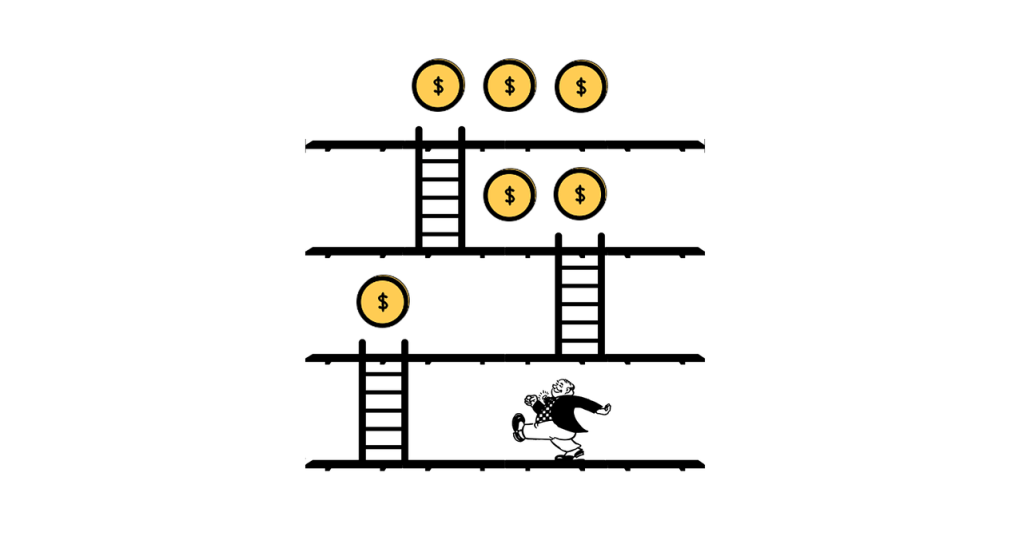
Gamification or game-based learning – what’s the difference? Gamification is where we add elements of games into our teaching. Game-based Learning is where the learning is totally encompassed within a game. In a couple chapters of Minds Online: Teaching Effectively with Technology, Miller (2014) shared principles of game design and how they can be used in education. Some of those ideas are discussed below.
Have you ever tried to pull a child away from a video game… What is it about these games that are so compelling?
- A narrative that draws you in.
- Choose to play alone or with friends.
- Good visuals.
- Make choices from a menu.
- Quests or missions are broken into manageable chunks.
- Just the right amount of challenge to bring you back again and again.
- With each task comes immediate feedback.
- Each attempt brings a little more knowledge, a little more experience, a little more skill, and a better chance for success.
- Always a way to get another life.
- Earn experience points and level up.
- Earn rewards, awards, and bonuses.
Gamification
One way we can step up engagement in our classes is by incorporating some of these game design elements. Some simple ways to begin include offering choice, allowing multiple attempts with prompt feedback, and breaking large projects into manageable chunks.
Students of all ages like choices. We can offer a menu of projects for students to choose from. We can allow students to work on their own or with a partner or group, and we can allow them to choose a role to play. We can also allow them to choose from various modes or platforms to demonstrate their learning. When we provide choices for our students, they can select activities that are targeted at their learning level and personal interests. They will select what is attractive to them, which could be based on a number of factors.
During a game, we often fail in a task, but the game isn’t over. There’s usually a way to get another life, another chance. When we get that additional chance, we use what we learned from the first attempt along with any feedback we received, and we try again. This time we’re more confident that we’ll be successful. Sometimes we are and sometimes we’re not. In a video game, we see our progress and our success reaching just a little further instantaneously which encourages us to try again and again until we master the task or level. We can offer that same type of situation in our course units or modules. We can offer multiple attempts and provide formative feedback from the teacher and from peers. Students need to see that they’re getting closer to mastering the task, so they don’t give up.
Another game characteristic that you may wish to employ is breaking large projects into manageable chunks. Break the project down into many small tasks that can be tracked. Even the names given to categories, quests, or activities can mimic those used in games and a game environment. Students may enjoy rewards like badges, experience points, awards, and leveling up when reaching their goals. These are just a few ways to modify our instruction using some of the successful tactics used by game designers for increased engagement and satisfaction.
Game-based Learning
Many products are available for Game-based Learning whether you want to conduct a lesson or course review as an escape room activity using Breakout EDU, build out your entire course in a game-based Learning Management System or conduct some sort of simulation. Scavenger hunts can be done with paper, but also with phone applications such as Goosechase. Games like Kahoot allow you to upload your questions into the application for a game-show type of experience that is great for test prep or review. Students can submit their answers using phones or laptops, and they love it! Those are just some of what’s available in the world of Game-based Learning.
Resources:
Miller, M.D. (2014). Minds online: Teaching effectively with technology. President and Fellows of Harvard College

 Catalyst